I have worked in orthopaedics for many years and see patients with complex musculoskeletal complaints every day: osteoarthritis, chronic back pain, instability after surgery, long histories of suffering. I know the possibilities of conventional orthopaedic therapy well and how important targeted mobilisation, strengthening and structured rehabilitation are.
And yet there is that point where it becomes clear: symptoms can be relieved, but functional stability does not last. Especially after joint replacement or with degenerative changes, patients have less pain but do not really trust their body. Movements stay uncertain, gait patterns compensated, protective postures persist.
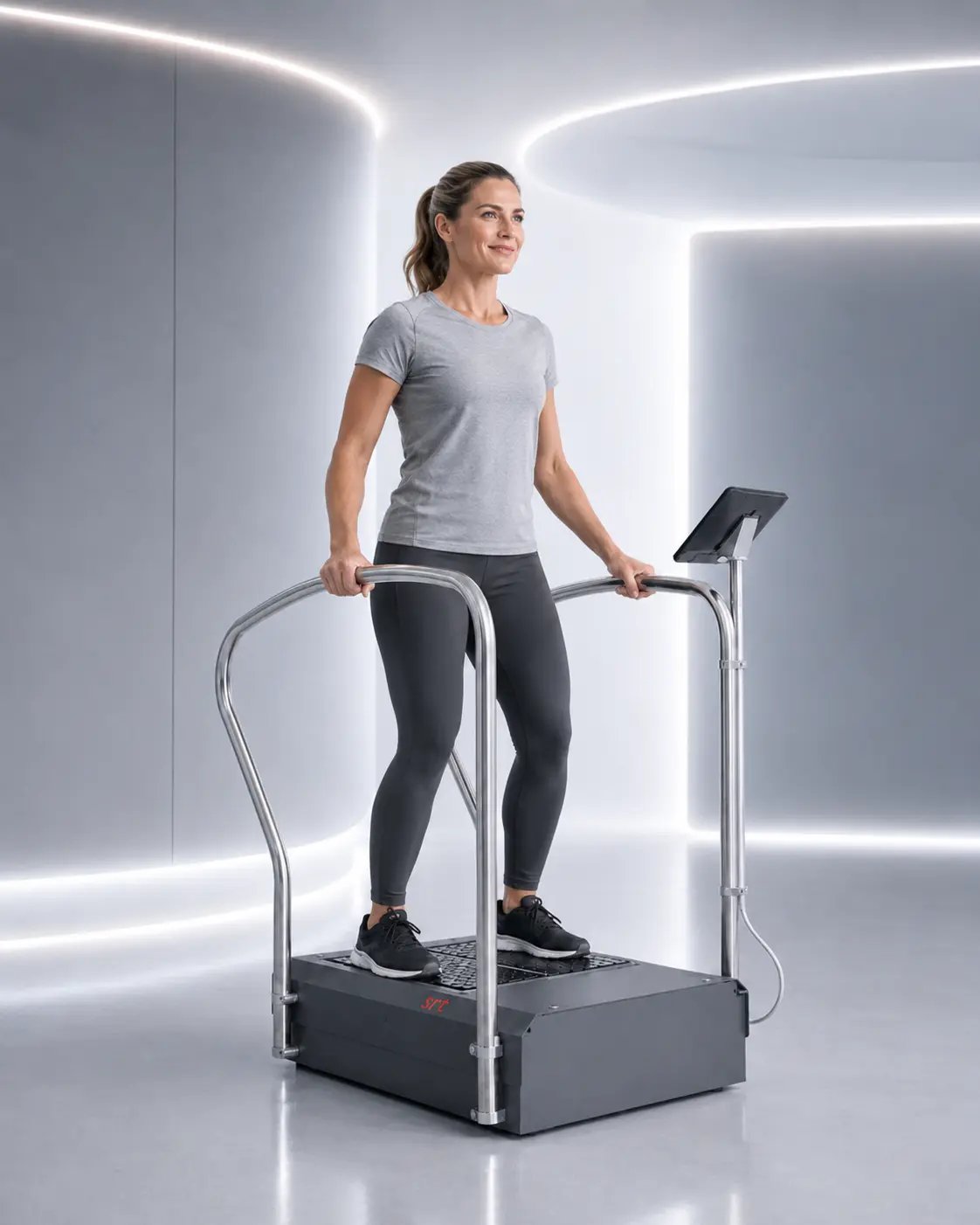
When we first looked at srt zeptoring®, it was not about another device but about a question from daily practice: how can we address the neuromuscular system so that stability is not only trained but actually integrated?
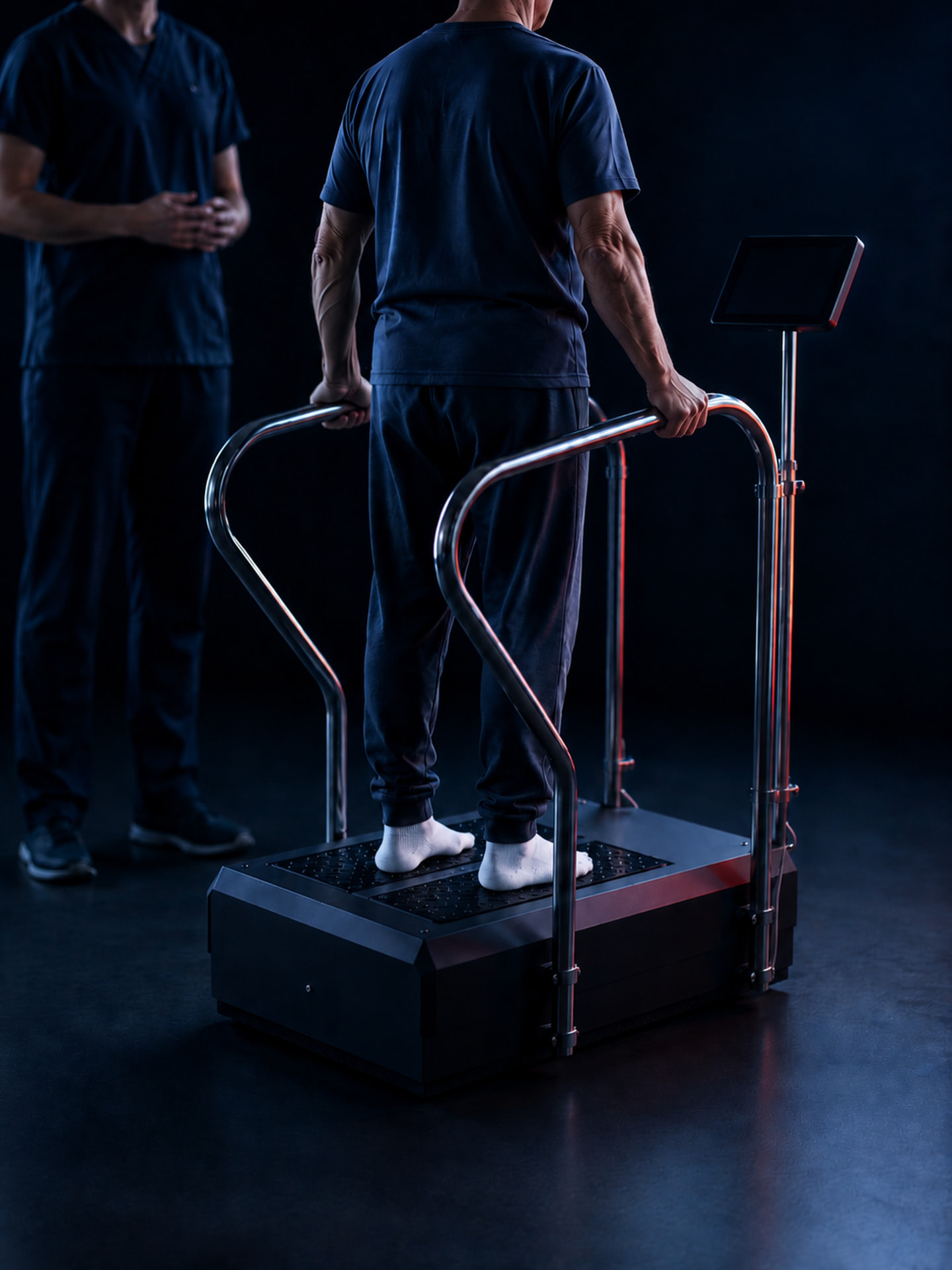
Stochastic resonance therapy starts where many orthopaedic approaches end — at the neural control of movement. Multidimensional, random movement impulses activate deep musculature, the balance system and central control loops simultaneously. For our patients that means a few minutes on the device, without active loading, without pain — and yet an intensive stimulus for the entire stability system.
What struck us early on: patients step off the device and describe not simply less pain but a different sense of their body. More confidence, more control, more stable standing and walking. Especially after surgery they regain trust in their movements faster, gait stability improves measurably and compensatory patterns decrease.
With degenerative conditions such as osteoarthritis there is a clear effect too — not because the disease disappears, but because neuromuscular control increases: joints are guided better, loads distributed more evenly, protective postures reduced. For many patients that is the difference between short-term relief and lasting functional improvement.
Today srt zeptoring® is firmly integrated into our orthopaedic routine: time-efficient, easy to structure, suitable for patients of all ages — and a sensible complement to conventional measures rather than a replacement. Therapy does not become more complicated, but clearer.